Run the program then follow the on-screen instructions to create your installation media and run the Windows 10 installation process. You'll also have to install Windows updates, reinstall your apps, and restore your backup files, so set aside a solid chunk of time before you update. A full, clean reinstall is different from the Reset your PC option in Windows 10 and 8, or a manufacturer's recovery partition or disk for Windows 7. Those built-in options will set your PC back to its factory-default state—which could include some vendor-installed junk you never wanted anyway.

A clean install uses the generic Windows installation media that you can download from Microsoft, and it'll have just the OS, no other frills. A clean installation of Windows 11 is the process of completely erasing the computer's hard drive and applying a fresh copy of the OS to configure a new laptop or desktop computer. Or you can use this method to resolve issues with an existing setup. For example, to fix memory, shut down, startup, apps, stability, and performance issues. Furthermore, and perhaps more importantly, a Windows 11 clean install can improve battery life and is the best method to get rid of viruses and other types of malware.

The Reset this PC dialog will start the process of reinstalling Windows 10. Select Remove everything to wipe the Dell laptop clean and reinstall Windows 10. This step is the nuclear option, as it removes your files, all custom settings, and any apps your PC manufacturer installed. Alternatively, select Keep my files to reinstall Windows 10 and keep your files. Upon initiating a Reset, Windows will give you options for saving, or not, the user data and personal files you've saved on your PC since you began using it.
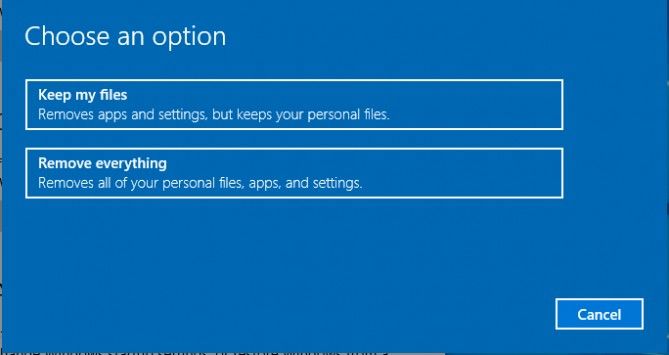
However, the Reset process always deletes installed applications – that is, any software that didn't come with the Windows 10 OS. If you don't want to reinstall your personal software, consider fixing your system by reinstalling Windows 10 using installation media . If you've bought a Dell computer recently, you probably noticed it didn't come with the backup and recovery disks of the past.

To reformat your Dell desktop or laptop, you'll either create a disk or USB Memory Key, or you'll use the factory image located on your hard drive. The Reset process returns the operating system to factory-install condition using a "recovery image" . The recovery image is created when Windows 10 is first installed and saved in a discrete portion of the hard drive, so you don't need installation media to use the Reset option. You don't even need an Internet connection, although you do need a decent amount of free disk space, since the stored image must be maintained throughout the process.
Also, your most important personal files should always be backed-up to external storage (USB drive, DVD, cloud account, etc.). Even though multiple reset/reinstall options promise to preserve your data, unexpected problems can sometimes occur. And while you can reinstall your favorite software and redefine your application settings, personal photos and business files may be irreplaceable. Then, let's talk about how to factory reset DELL Windows 11 computer or other devices? As we all know, to wipe or reset a computer will delete something more or less. Although you can choose to keep your personal files, it will still remove the apps and other data.

How Do I Reinstall Windows 10 On My Computer It can be used to reinstall Windows and remove files, settings, and applications. The most extreme step is to reseta Dell computer back to factory settings, or to settings that were saved at an earlier time. This will restore the computer's original software state.
If you choose the Just Remove My Files option, the Reset This PC tool will perform a Quick Format operation on the hard disk and then reinstall Windows 10. This procedure deletes the file table that contains pointers to the data files. It doesn't actually delete the data or modify the disk sectors containing the data in any way. As such, you could recover some or all of the data files using an appropriate data recovery tool if you were so inclined.

You have several options for factory resetting a Windows computer. If you're using Windows 8 or 10, the built-in factory reset option is quick and easy. Windows 7 users should download an image from Microsoft and perform a clean installation that way. Otherwise, you may be able to boot into the BIOS and directly load the recovery partition on your hard drive, if your PC manufacturer included one. However, if you factory reset with this method, you'll reinstall all the manufacturer bloatware.

While it's not ideal, it can work if you have no other options. If you already have a backup of the computer and files. You have an activation key, or the current setup is activated correctly. The device can start from a USB flash drive, and you disconnected non-essential peripherals, then you can skip this part to the bootable media creation and a clean install process.

Using the Windows 10 Settings app, you can easily reset a Dell laptop without much effort. You don't have to use any third-party software or insert the Windows 10 installation media. The good thing is, as long as you stored your personal files in other drives/partitions, you will not lose data. These are the three best methods for starting a clean installation of Windows 10 from a computer with Windows 10 installed already. These options come in handy if you don't happen to have any physical reinstall media such as a USB or DVD.

Remember, you can also create a recovery drive in advancesince this can be helpful if your system reserve drive is damaged. You don't need any installation media or product keys, and you don't have to adjust firmware settings to boot from an alternative device. Before you factory reset your Dell laptop, there may be a few better alternatives.
If you have Windows 10, you can refresh your operating system without losing anything. Simply type Reset into the search box on the desktop. Select Reset This PC, Get Started and Keep My Files. Select any apps and drivers that need to be reinstalled and follow the prompts to refresh.

Thus you can choose to Remove everythingincluding the password. The most secure way is always tobackup files before reformatting. This wikiHow teaches you how to erase and reinstall Windows on a Dell computer's hard drive. If your Dell has neither of these options, you can use a Windows installation disc instead. Before reformatting your Dell, consider backing up your data to an external hard drive, as everything on your computer's hard drive will be erased when you format it.

So naturally, you'll want to reformat and install a clean copy of Windows. However, times have changed, so if you haven't done this in a few years, you may need some pointers. I was also surprised that I couldn't find a comprehensive, yet simple guide on how to do this. Most guides will tell you to do a Reset using Windows 10 Recovery tools. First, turn on your computer and look for any messages which appear before the Windows logo.

Some laptops and PCs come with a 'hidden' hard drive on which is a full backup of Windows. Typically there will be a message such as "Press F10 for restore options". Each PC is different, but you may find an option to reset the PC to factory settings. If your computer has a recovery partition, run your manufacturer's recovery tool to reinstall Windows. On many PCs, you'll have to press a key during the boot process to access the recovery tool. This key may be displayed on your screen.

It should also be printed in your computer's manual. I did a restart to see if it would fix a problem I was having. The message was "boot disk inaccessible". I don't believe it was Microsoft options that then showed on the screen. I believe they were probably DELL options. I tried the restart and troubleshooting options.
It had the options of saving data or complete redo. It removed everything else and did a total new install of the Windows 10 operating system including the latest updates. This system image contains all the files, apps and settings in your system partition at that time point. That is, you don't have to factory reset the Dell computer, but restore it to a backed up earlier state without data loss.
If your PC is not performing properly, an operating system reset or reinstall may be what you need. Fortunately, Microsoft makes it easy to reset or reinstall Microsoft Windows 10. There are several options that allow you to preserve your personal files, installed software and so on. Or, if circumstances warrant, you can start from scratch – like you're using Windows 10 for the first time. Follow the on-screen instructions to complete the reset process.

The PC cleans data, and then Windows 10 is reinstalled. It can take an hour or more for the process to finish, and your computer will restart a few times to complete the fresh installation. A factory reset restores a PC to the same state it was in when it rolled out of the manufacturer's assembly line.

Almost all electronic devices have this capability, and you can't undo it once you start. So, make sure to back up your files. A Windows 10 factory reset will wipe your Dell laptop of all installed programs and files, so you don't want to lose data. On the boot menu, under UEFI boot, select the USB recovery drive and press the Enter key. On the Choose an option screen, click Troubleshoot and then click Recover from a drive.

Follow the on-screen instructions to complete the installation process. Once you're ready to go ahead with the installation, insert the Windows 7 installation DVD or USB you created into your computer andrestartit. When it boots back up, you'll go through all the steps in the first-time set up procedure.

You'll need to accept the license, choose a network connection, check for updates, set up a Microsoft account, and so on. Your system will restart a couple of times during this part of the installation. After you choose a target operating system, you'll see the screen shown inFigure C, which prompts you to choose how thoroughly you want to clean your drive. You can remove just your files or fully clean your drive. The option you choose will depend on the reason you're resetting your PC.

For example, if you are resetting it to give yourself a completely new start, you'll probably want to select Just Remove My Files. On the other hand, if you're going to be passing your PC on to someone else, you may want to choose Fully Clean The Drive. Let's take a closer look at these two options.
This option is a great way to revive a Windows 10 system that has become unstable due to a virus infection or some other unfortunate circumstance. However, Windows 10 also provides you with the Reset This PC with the Remove Everything option. Unlike its counterpart, this option removes all your data and settings and then reinstalls a fresh copy of Windows 10.

This approach comes in handy if you want to scrap everything and start over from scratch or you're getting ready to decommission your PC and want to pass it on. This method allows you to decommission the device safely without giving away your personal files. Also, this is typically the approach you will use to install Windows 11 when replacing the hard drive.

The advanced recovery environment in Windows 10 is used to diagnose and fix issues with your Windows installation. This includes performing a clean Windows 10 install, too. There are several methods for loading the recovery environment. These methods work even if you don't have the original Windows 10 installation media you used for your first installation. You can use the recovery partition built-in to Windows 10 to reinstall the operating system with these steps. You can reset the system to factory settings by following the same procedure, but log in as a system administrator.

Next, selectDell Factory Toolsand thenDell Factory Image Restore. SelectNextto display theConfirm data deletion menu. You must confirm that you wish to format the hard drive, restore system software and settings to their original condition. Turn on your computer and press the key to restart it.
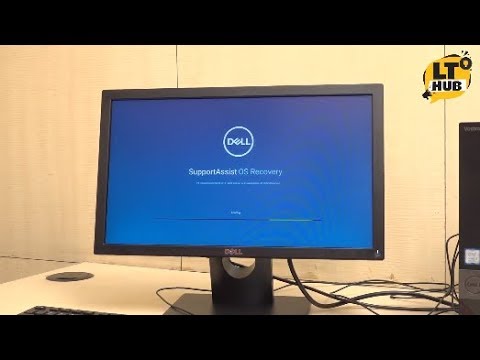
Keep tapping the key one second at a time until you see theAdvanced Boot Optionsmenu.Use the arrow keys to select Repair Your Computer, then press theEnterbutton. Next, specify your language settings, and clickNext. Log on as the system administrator and selectRestore. Dell will show you the most recent restore point.
This is the best place to go back to. Select Show more restore points to choose another restore point. After the system restore is complete, click Restart to restart your computer with the restored settings. Luckily, you can still reinstall Windows 10 using installation media, but doing so reverts your PC back to its factory settings, so your files and apps will be deleted.




No comments:
Post a Comment
Note: Only a member of this blog may post a comment.